Best Transfer Pump for Water: 7 Transfer and Drainage Options Compared
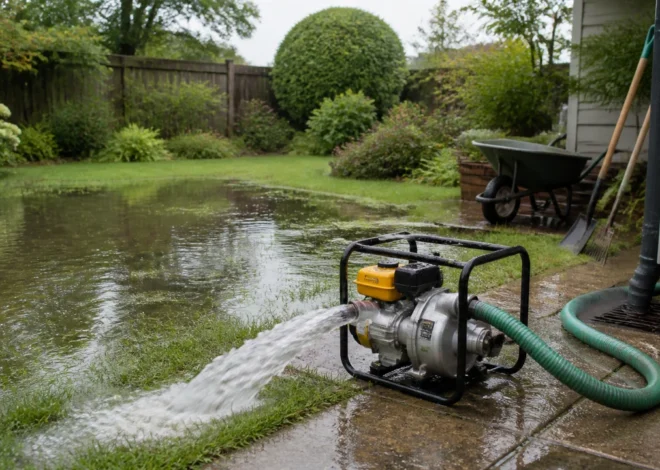
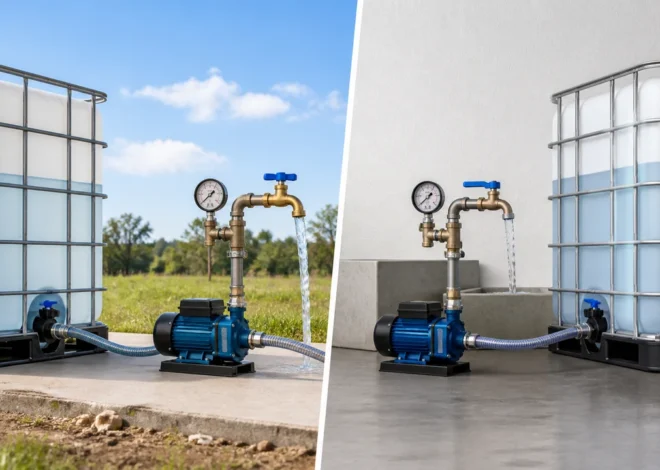
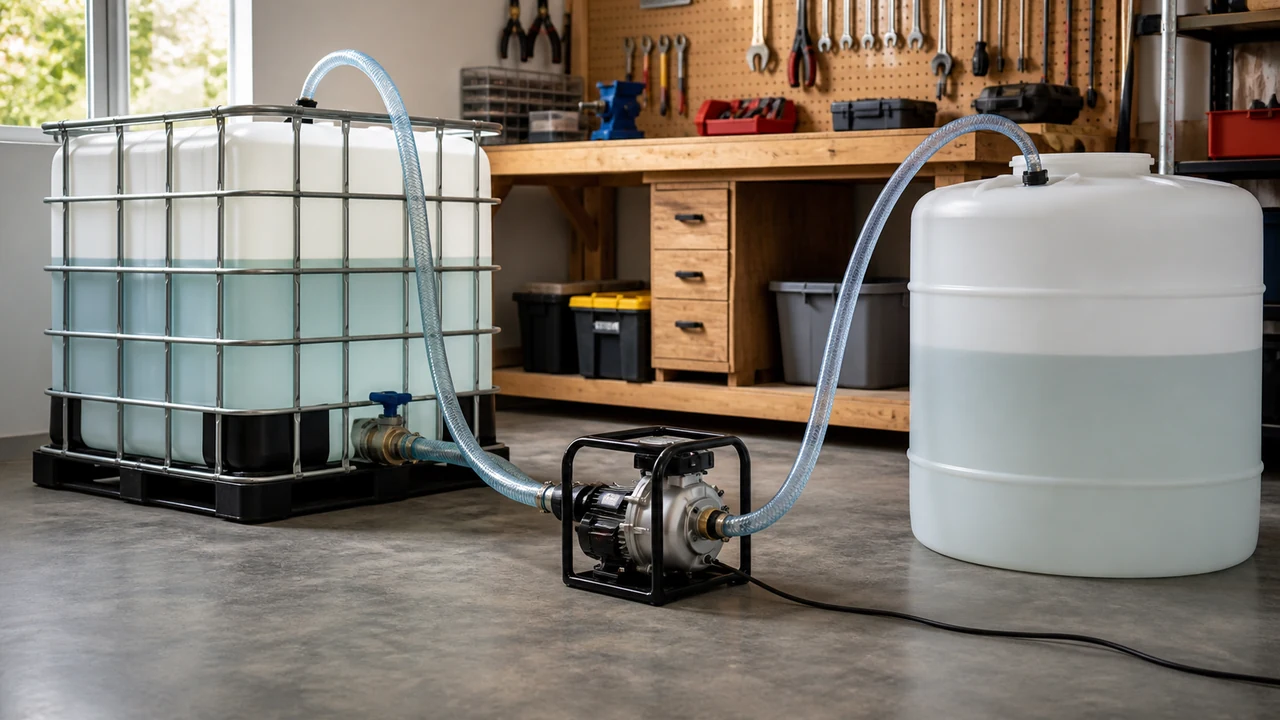
A barrel, tank, and flooded floor may all contain water, but they do not present the same hose, lift, or supervision problem. The phrase “a transfer pump for water” is therefore easy to misread if the buyer starts with the largest advertised GPH. This is a temporary transfer, and the amount of water, lift, hose length, and water condition determine whether the motor can do the job reliably.
WAYNE WAPC250 leads this comparison because it offers an automatic float for a portable water-removal job. Superior Pump 91250 is here for short runs from a barrel, tank, or shallow collection area, a genuinely different set of conditions. Hose diameter, suction lift, and the water level determine the flow that reaches the outlet.
The comparison stays within the utility or transfer pump category and keeps the recommendation tied to the installation. The important evidence is the intended duty, useful operating data, control method, and installation limits, not a marketplace headline by itself.
Quick Answer: Measure the Water Route
WAYNE WAPC250 is the best overall choice for buyers seeking a transfer pump for water when the project involves standing water, barrels, and supervised household transfer. It offers an automatic float for a portable water-removal job, and it is described as automatic portable utility-pump format with a 1-1/4-inch discharge. Superior Pump 91250 is the better fit for short runs from a barrel, tank, or shallow collection area, while VEVOR 12V Water Transfer Pump is aimed at vehicle-based, off-grid, and remote container transfer.
Comparison Table
| Model | Best use | Useful specification | Main check |
|---|---|---|---|
| WAYNE WAPC250 | standing water, barrels, and supervised household transfer | automatic portable utility-pump format with a 1-1/4-inch discharge | The pump still needs adequate water around its intake to operate. |
| Superior Pump 91250 | short runs from a barrel, tank, or shallow collection area | 1/4 HP transfer-pump format for light water movement | Longer hose runs and extra lift reduce the flow available at the outlet. |
| VEVOR 12V Water Transfer Pump | vehicle-based, off-grid, and remote container transfer | 12V portable transfer-pump format for remote tanks and barrels | A suitable power source, fuse, and wiring gauge are part of the installation. |
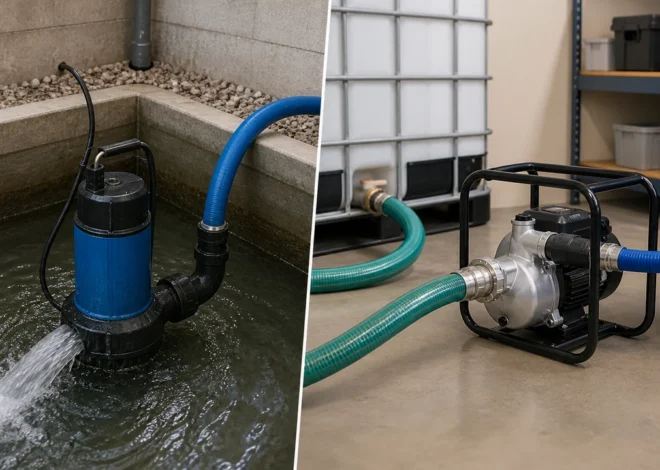
| Acquaer Submersible Utility Pump | flooded areas, tanks, and low-level water removal | submersible utility-pump format for clean-water transfer and drainage | It needs water around the intake and is not a deep-solids sewage pump. |
| Superior Pump 93501 | light basement, tank, and maintenance transfer | portable utility-pump format for household water removal | Delivered flow falls as lift and hose restriction increase. |
| Little Giant 5-MSP | small basins, appliance pans, and light transfer | compact utility-pump format for small clean-water jobs | A compact utility pump has limited tolerance for debris and heavy inflow. |
| FCNP 330 GPH Transfer Pump | small, supervised hose and container transfer | compact 330 GPH transfer-pump format | Delivered flow falls as lift and hose restriction increase. |
Best Overall for Portable Work: WAYNE WAPC250

Unlike a generic pump, WAYNE WAPC250 is built around standing water, barrels, and supervised household transfer. The combination of an automatic float for a portable water-removal job and automatic portable utility-pump format with a 1-1/4-inch discharge explains why it belongs in this particular comparison.
Start with the intake remains covered and the discharge hose is secured. In this role, hose diameter, suction lift, and the water level determine the flow that reaches the outlet.
WAYNE WAPC250 is worth considering for standing water, barrels, and supervised household transfer. Keep these two practical limits in view: The pump still needs adequate water around its intake to operate. It is a utility pump, not a replacement for a well or household booster system.
Pros
- The automatic float can respond as water rises without requiring constant manual switching.
- Its portable format is practical for seasonal drainage and container work.
- The 1-1/4-inch discharge gives the hose route a clearly defined connection point.
- The pump can be moved between jobs instead of becoming part of a permanent pressure system.
Cons
- The pump still needs adequate water around its intake to operate.
- It is a utility pump, not a replacement for a well or household booster system.
Bottom line: WAYNE WAPC250 is a sensible purchase for standing water, barrels, and supervised household transfer when the route and controls are already defined. The main qualification is this: The pump still needs adequate water around its intake to operate.
Check the current price and availability
Best for Light Transfer: Superior Pump 91250

Superior Pump 91250 is best understood through its intended job. It is meant for short runs from a barrel, tank, or shallow collection area, with a compact electric transfer pump for occasional work and 1/4 HP transfer-pump format for light water movement defining the useful operating range.
Start with the hose adapter, lift, and duty cycle are kept modest. In this role, hose diameter, suction lift, and the water level determine the flow that reaches the outlet.
For short runs from a barrel, tank, or shallow collection area, this model offers a clear path when the installation matches. Pay particular attention to this limitation: It is better suited to intermittent work than continuous household water service.
Pros
- The smaller motor is a reasonable fit for light transfer rather than an oversized installation.
- Its compact body is easier to store between seasonal jobs.
- The modest motor is easy to match to a short, low-lift transfer route.
- The simple electric setup suits an occasional transfer where battery wiring is unnecessary.
Cons
- Longer hose runs and extra lift reduce the flow available at the outlet.
- It is better suited to intermittent work than continuous household water service.
Bottom line: Superior Pump 91250 makes sense for short runs from a barrel, tank, or shallow collection area if the surrounding equipment accommodates it. One limitation remains: It is better suited to intermittent work than continuous household water service.
Check the current price and availability
Best 12V Option: VEVOR 12V Water Transfer Pump

On a project involving vehicle-based, off-grid, and remote container transfer, VEVOR 12V Water Transfer Pump deserves attention for a concrete reason. It is listed as 12V portable transfer-pump format for remote tanks and barrels and brings low-voltage portability where AC power is inconvenient to that role.
Compatibility hinges on the wiring has an appropriate fuse and is kept away from standing water. Once the system is running, Hose diameter, suction lift, and the water level determine the flow that reaches the outlet.
If vehicle-based, off-grid, and remote container transfer describes your project, VEVOR 12V Water Transfer Pump has a credible case. It becomes less attractive when this limitation applies: A suitable power source, fuse, and wiring gauge are part of the installation.
Pros
- The 12V input suits a battery or vehicle-based setup.
- A portable low-voltage pump can be used where a mains outlet is not nearby.
- The hose and power path can be packed away after a seasonal transfer job.
- The low-voltage format avoids tying a temporary job into permanent house plumbing.
Cons
- A suitable power source, fuse, and wiring gauge are part of the installation.
- Voltage drop becomes more important as the cable run gets longer.
Bottom line: The product’s strongest case is vehicle-based, off-grid, and remote container transfer, not every nearby job. Its practical compromise is this: A suitable power source, fuse, and wiring gauge are part of the installation.
Check the current price and availability
Best Submersible Option: Acquaer Submersible Utility Pump
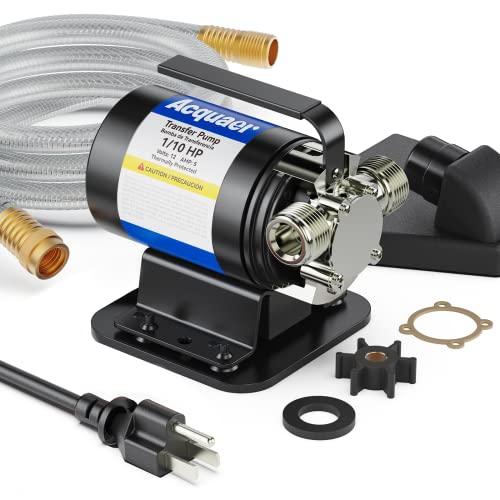
Unlike a generic pump, Acquaer Submersible Utility Pump is built around flooded areas, tanks, and low-level water removal. The combination of a pump that sits in the water instead of relying on a primed suction hose and submersible utility-pump format for clean-water transfer and drainage explains why it belongs in this particular comparison.
Start with the pump is kept clear of debris and lifted out before dry running. In this role, hose diameter, suction lift, and the water level determine the flow that reaches the outlet.
The product suits flooded areas, tanks, and low-level water removal, but it is not a universal pump. Buyers should allow for these two tradeoffs: It needs water around the intake and is not a deep-solids sewage pump. Automatic operation still needs enough clearance for the float or level control.
Pros
- Submersion avoids the priming step required by many surface transfer pumps.
- The format can be placed directly in a shallow flooded area or container.
- The intake is easier to inspect while the water level changes.
- It is a useful choice when portability matters more than pressure control.
Cons
- It needs water around the intake and is not a deep-solids sewage pump.
- Automatic operation still needs enough clearance for the float or level control.
Bottom line: Buy Acquaer Submersible Utility Pump for flooded areas, tanks, and low-level water removal, not as a general replacement. The practical constraint is this: Automatic operation still needs enough clearance for the float or level control.
Check the current price and availability
Best for Higher Transfer Output: Superior Pump 93501
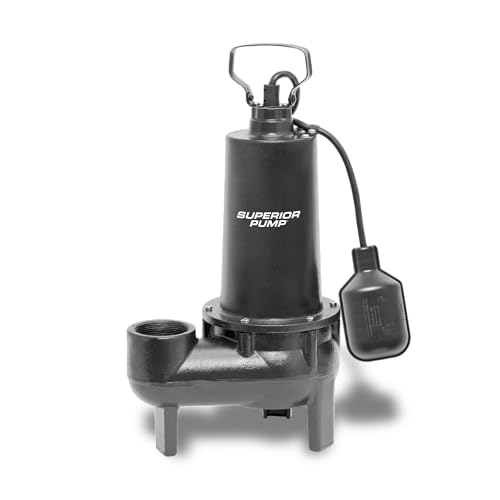
Superior Pump 93501 is best understood through its intended job. It is meant for light basement, tank, and maintenance transfer, with a small utility pump that can be carried to the water and portable utility-pump format for household water removal defining the useful operating range.
Start with the pump is supervised and removed before the source runs dry. In this role, hose diameter, suction lift, and the water level determine the flow that reaches the outlet.
Its strongest use is light basement, tank, and maintenance transfer. The tradeoff is concrete: Delivered flow falls as lift and hose restriction increase. A second point to allow for is It is not a substitute for an automatic sump pump during an unattended storm.
Pros
- The portable design works well for jobs that do not justify a permanent basin.
- Its size makes it convenient to keep with seasonal water-removal equipment.
- The intake and discharge can be inspected without opening a fixed plumbing assembly.
- It provides a separate option for temporary transfer instead of overloading a circulation pump.
Cons
- Delivered flow falls as lift and hose restriction increase.
- It is not a substitute for an automatic sump pump during an unattended storm.
Bottom line: The recommendation holds for light basement, tank, and maintenance transfer. It becomes less convincing when this limitation matters: Delivered flow falls as lift and hose restriction increase.
Check the current price and availability
Best for Seasonal Jobs: Little Giant 5-MSP

On a project involving small basins, appliance pans, and light transfer, Little Giant 5-MSP deserves attention for a concrete reason. It is listed as compact utility-pump format for small clean-water jobs and brings a compact footprint for jobs where a larger pump is awkward to that role.
Compatibility hinges on the shallow source is clean and the pump remains accessible for cleaning. Once the system is running, Hose diameter, suction lift, and the water level determine the flow that reaches the outlet.
For small basins, appliance pans, and light transfer, Little Giant 5-MSP is a sound candidate when the rest of the system matches. The main limitation is this: A compact utility pump has limited tolerance for debris and heavy inflow.
Pros
- The small format is easier to fit beside an appliance or in a tight collection area.
- It is suited to light water removal where a large motor would add needless bulk.
- The pump can be inspected and stored without a permanent installation.
- Its modest role makes it a useful companion to, rather than a substitute for, a primary sump pump.
Cons
- A compact utility pump has limited tolerance for debris and heavy inflow.
- Its compact design offers less tolerance for extra lift than a larger drainage pump.
Bottom line: Little Giant 5-MSP is best reserved for small basins, appliance pans, and light transfer. One practical point to budget for is Its compact design offers less tolerance for extra lift than a larger drainage pump.
Check the current price and availability
Best for Small Collection Areas: FCNP 330 GPH Transfer Pump
Unlike a generic pump, FCNP 330 GPH Transfer Pump is built around small, supervised hose and container transfer. The combination of a low-output option for short routes and modest volumes and compact 330 GPH transfer-pump format explains why it belongs in this particular comparison.
Start with the listing, included fittings, and duty cycle match before use. In this role, hose diameter, suction lift, and the water level determine the flow that reaches the outlet.
FCNP 330 GPH Transfer Pump is worth considering for small, supervised hose and container transfer. Keep these two practical limits in view: Delivered flow falls as lift and hose restriction increase. It is not intended for high-head irrigation or unattended storm response.
Pros
- The modest flow is easier to control around small containers and garden beds.
- A compact body is convenient for occasional transfer work.
- The lower output is easier to control around a small container or garden bed.
- The short route can be evaluated without treating the pump as a pressure booster.
Cons
- Delivered flow falls as lift and hose restriction increase.
- It is not intended for high-head irrigation or unattended storm response.
Bottom line: As a match for small, supervised hose and container transfer, FCNP 330 GPH Transfer Pump is a reasonable pick. The detail that can change the decision is this: Delivered flow falls as lift and hose restriction increase.
Check the current price and availability
What Matters When Buying an utility or transfer pump
Start with volume and time
Estimate how much water must move and how quickly the job needs to finish. A pump rated for high open flow can still be slow after lift and hose friction are included. Write the result down before comparing product specifications.
Measure vertical lift
Measure from the pump intake or water surface to the discharge point. Add the effect of long hose runs, narrow adapters, elbows, and filters.
Match the water condition
Clean water, light sediment, leaves, and sewage require different impellers and clearances. Do not infer solids handling from a high GPH number.
Choose portable or automatic control
A portable pump can be supervised and stored. An automatic basin pump needs switch clearance, a check valve, and a safe way to stop when the water level falls.
Plan power and storage
Check the outlet, fuse, cord, weather exposure, and dry-run limits. Drain and clean the pump before seasonal storage.
A quick transfer estimate
Estimate required flow as volume divided by available minutes. Moving 600 gallons in 30 minutes calls for about 20 GPM before lift, hose friction, and pauses are included, so a pump’s free-flow rating is only the first screen.
A Final Transfer Check
When you need a transfer pump for water, make the final decision with the amount of water, lift, hose length, and water condition written down. The pump has to work in the water path that will exist after the hose, filter, valve, basin, or control is connected.
WAYNE WAPC250 and FCNP 330 GPH Transfer Pump are deliberately different: the first is aimed at standing water, barrels, and supervised household transfer, while the second suits small, supervised hose and container transfer. That difference is more useful than comparing their motor labels.
Run one supervised cycle with the intended hose and power source. Watch the intake, discharge, and water level together.
Frequently Asked Questions
What hose size should I use?
Use the size recommended by the manufacturer and keep the suction side short. Narrow hose can reduce delivered flow sharply.
Should I use a float switch?
A float or timer can help with changing water levels, but it must be compatible with the pump and cannot replace supervision on a portable unit. That distinction keeps a transfer job from being mistaken for a pressure system.
Can a transfer pump supply a house?
Not by itself. Household supply requires appropriate pressure control, water treatment, storage, and code-compliant plumbing.
Is a transfer pump the same as a booster pump?
No. A transfer pump moves water from one location to another. A booster receives an existing supply and raises pressure farther along the line.
Can a utility pump run dry?
Many cannot. Keep the intake covered and follow the model instructions for duty cycle and low-water protection.
Final recommendation: My overall pick is WAYNE WAPC250, but only for buyers whose system matches standing water, barrels, and supervised household transfer. Choose Superior Pump 91250 when short runs from a barrel, tank, or shallow collection area is the real job, or VEVOR 12V Water Transfer Pump when the installation calls for vehicle-based, off-grid, and remote container transfer. Measure the amount of water, lift, hose length, and water condition before committing to any of them.