Sewage Pump Not Working: A Practical Guide for Homeowners
Wastewater pump problems deserve a more cautious diagnosis than a clean-water transfer fault. The liquid may contain solids, the basin may hold hazardous gases, and the pump may be connected to an alarm or control panel. Start from the symptom and the system type, and keep the basin closed.
The direct answer
For this wastewater symptom, check the alarm, power status, accessible controls, float behavior, and discharge evidence without opening a sewage basin or entering a tank. A sewage ejector, effluent pump, and grinder pump are not interchangeable, so the repair path depends on the manufacturer’s classification.
A closer diagnostic reading
Start from the alarm and control panel
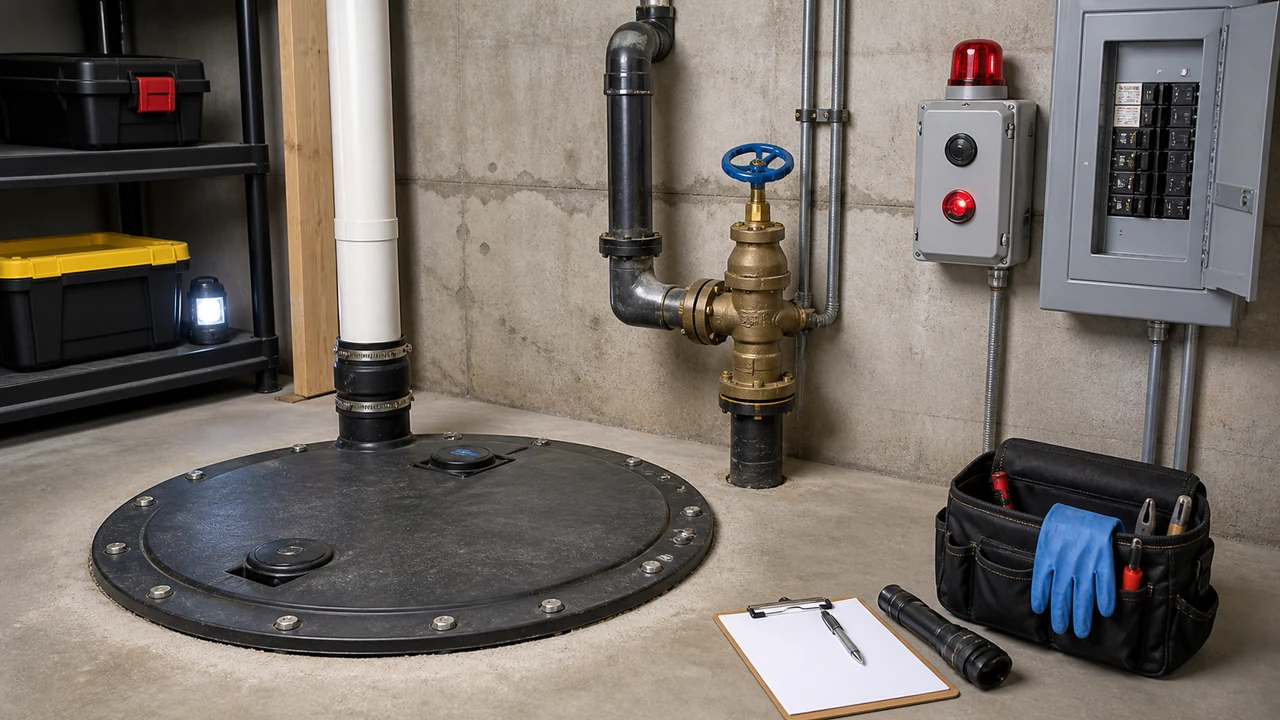
An alarm, tripped breaker, high-level light, or silent float provides useful information without opening the basin. Do not silence an alarm and leave the system unattended. Note whether nearby fixtures are still draining and keep people away from contaminated overflow.
Do not open a sewage basin casually
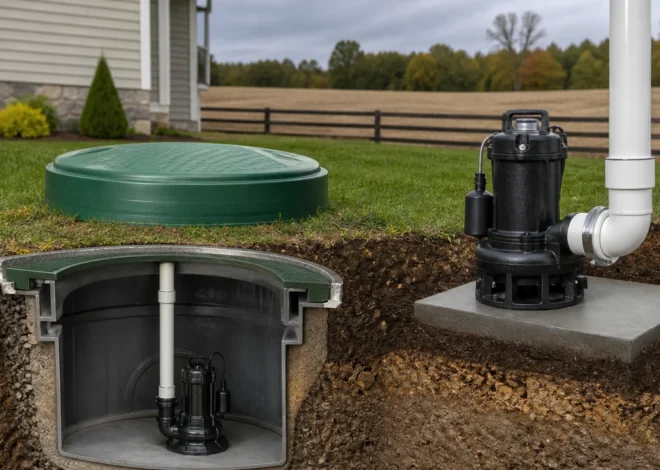
Wastewater basins can contain pathogens, electrical equipment, and hazardous gases. Never enter a basin or tank. A qualified technician can isolate the system, ventilate and test the space, and use the required protective equipment.
Separate pump failure from a blocked discharge
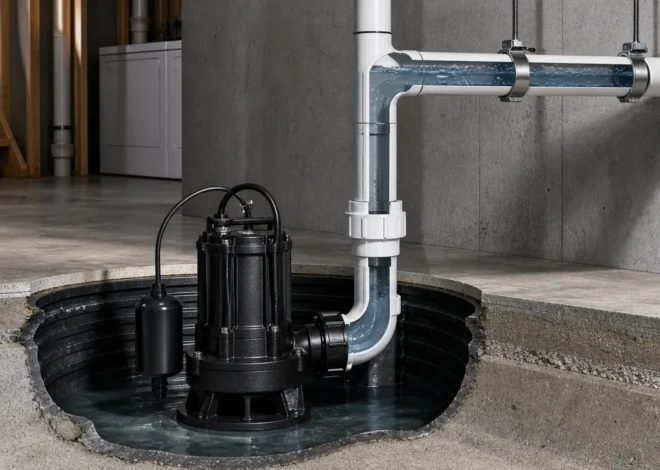
A motor that runs without lowering the level may face a clogged intake, check valve, force main, or discharge restriction. A pump that trips immediately may have a jammed cutter, electrical fault, or overloaded motor. Do not repeatedly reset the control.
Respect the category
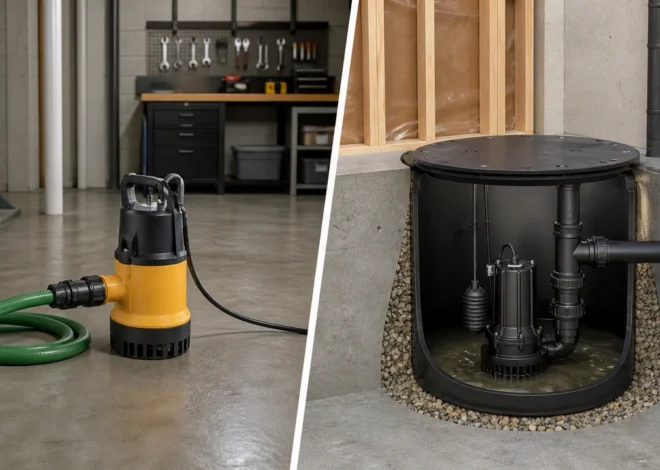
Effluent, sewage ejector, and grinder pumps have different solids and discharge duties. A clean-water test or a replacement from another category can create a second failure. Use the exact model manual and basin documentation.
Commission the repair carefully
After qualified service, verify the float sequence, alarm, check-valve behavior, pump-down time, and absence of leakage around the basin. Keep wipes, grease, and non-flushable material out of the system so the repair is not immediately repeated.
Read the symptom before touching the pump
| What you observe | What it often suggests | First useful check |
|---|---|---|
| Alarm active, pump silent | Power, control panel, float, or motor fault | Read the alarm and isolate unsafe equipment. |
| Pump runs, level stays high | Blockage, closed valve, check valve, head, or wrong pump | Look for accessible discharge evidence. |
| Repeated starts | Backflow, float range, inflow, or basin sizing | Observe the alarm and cycle pattern. |
| Breaker trips or odor appears | Electrical fault, solids jam, or sewage exposure | Stop using fixtures and arrange service. |
Do not treat every symptom as proof of a failed motor. A pump curve describes what the pump can do at a particular head, while the switch, source, pipe, filter, and discharge determine whether that operating point is reached.
Likely causes and what separates them
The control or float is not starting the pump
A float can be tangled, a control panel can lose power, or an alarm circuit can indicate a high level. Do not bypass an alarm or force a float without the manual.
Solids or debris are restricting the pump
A sewage pump, effluent pump, and grinder have different passage and solids capabilities. Wipes, rags, grease, and foreign objects can jam equipment even when the motor is sound.
The discharge system is blocked or over-head
A check valve, force main, valve, or undersized pipe can prevent discharge. The pump curve must cover static lift and friction at the required flow.
The system is receiving abnormal inflow
Groundwater intrusion, a leaking fixture, or a failed septic component can keep the basin full. The pump cannot correct a source or treatment problem.
A safe diagnostic sequence
- Stop adding water to the system and keep people away from the basin. Do not open a sewage cover or enter a tank.
- Read the alarm and controller indicators from a safe location. Check only accessible power devices, and do not repeatedly reset a tripping breaker.
- Observe whether the pump starts, whether the discharge line shows movement, and whether the level changes. Do not disconnect plumbing while the basin is under pressure.
- Check accessible valves, exterior discharge, venting, and cleanouts only as the system design permits. Keep hands and face away from wastewater.
- Have a qualified wastewater or pump technician inspect the pump, basin, floats, check valve, force main, and alarm. The correct replacement depends on solids, discharge size, head, and duty.
- After service, test the pump and alarm with clean water or the approved procedure and record the normal cycle.
When to stop and call for help
Never enter a septic tank, sewage basin, or other confined space. Stop for sewage exposure, hydrogen-sulfide concerns, live control-panel work, a tripping breaker, or any buried force-main repair.
Prevent the same fault from returning
Keep wipes, grease, and non-flushable material out of the system, maintain the basin and alarm on the schedule, protect the discharge from freezing, and retain the model and service records.
What to record for the next service visit
| Observation | Useful detail |
|---|---|
| Power and controls | Breaker, fuse, controller light, switch, alarm, and whether the motor starts |
| Water behavior | Source level, inlet condition, discharge flow, return water, and time to clear |
| Hydraulic conditions | Vertical lift, pipe or hose size, filter state, valve position, and any recent changes |
| Operating pattern | Continuous run, short cycling, intermittent output, heat, noise, or vibration |
Verify the repair under a normal load
A pump is not repaired merely because the motor starts. Run the controlled test appropriate to the installation and confirm that the source remains adequate, the outlet carries water, the switch reaches its normal stop point, and no leak, alarm, overheating, or unsafe pressure appears. Do not create a larger load simply to prove capacity.
Three patterns that deserve a second look
The high-level alarm is on
Keep the basin closed and reduce water use while noting whether the pump is silent, running, or tripping protection. Do not open the lid or enter the basin to look for a clog. A technician can distinguish a control fault from a blocked pump safely.
The motor runs but the level stays high
Possible causes include a jammed impeller or cutter, blocked check valve, closed valve, force-main restriction, excessive head, or an incorrect float sequence. Do not repeatedly reset the pump or introduce drain cleaner into the basin.
The system backs up after shutdown
Backflow may come through a failed or missing check valve, but a discharge or basin design issue can produce a similar symptom. The discharge size and pump category must be checked together, especially when comparing an ejector with a grinder.
A deeper read of the symptom
Use the alarm as information
Note the alarm state, pump status, breaker or control-panel indication, and whether fixtures continue to drain. Reduce water use and keep the basin closed. A high-level alarm is a reason to protect the building and arrange service, not an invitation to reach into the pump.
Distinguish a blocked line from a failed motor
A running pump with a stable high level can face a jammed impeller or cutter, closed valve, failed check valve, force-main restriction, or excessive head. A motor that trips immediately may have an electrical or mechanical fault. The exact classification and discharge design determine the safe repair path.
Do not substitute categories during a repair
An effluent pump, sewage ejector, grinder, and clean-water sump pump have different liquid and solids duties. The wrong replacement can run but fail to pass waste, develop the required pressure, or operate the basin controls correctly.
Give service personnel the right facts
Provide model and basin information, alarm history, fixture use, pump runtime, discharge size and route, recent plumbing changes, and any non-flushable material that may have entered the system. Never enter a basin or attempt a cutter repair as a homeowner test.
Category-specific checks
Compare the symptom with the installation
A motor, impeller, switch, controller, source, pipe, filter, and outlet can each be the first failed point. Use the liquid, head, flow, and duty to narrow the diagnosis instead of treating the pump label as the answer.
Look for a change rather than a single reading
Pressure, flow, water level, runtime, noise, and temperature become more useful when compared with the system’s normal baseline. A single maximum or minimum value rarely identifies the fault by itself.
Make the next repair reversible
Use approved cleaning, fittings, replacement parts, and settings. Avoid cutting a line, bypassing a safety device, or changing a fuse until the exact manual and installation requirements support that action.
End with a normal operating record
Save the successful flow, pressure, level, cycle, and maintenance result. That record makes a recurrence easier to recognize and reduces unnecessary replacement of a pump that is still serviceable.
Keep the next diagnosis simple
Save the model number, manual, normal pressure or water level, typical runtime, and any replacement part information. A short record made when the system is healthy often prevents a future technician from having to guess whether a changed sound or cycle is new.
Frequently Asked Questions
Can I use a sump pump for sewage?
No. A sump pump is not automatically approved for raw sewage solids or sanitary wastewater. Use the pump category and solids-handling capability specified for the basin.
What does a sewage-pump alarm mean?
It usually indicates that the level has reached a high point, the pump has not removed water, or a control condition has been detected. Stop adding water and investigate through safe observation rather than silencing or bypassing it.
Is a grinder pump always better?
No. A grinder is appropriate when the system is designed for a pressurized small-diameter discharge and the cutter is needed for the waste stream. A conventional solids-handling sewage pump may be more suitable for a gravity-fed ejector basin.
How can I clear a wastewater pump blockage?
Do not reach into the basin or open the pump while energized. Isolate the system and use qualified service because the obstruction, electrical hazard, and wastewater exposure can all be serious.
How often should a sewage basin be serviced?
Follow the pump, basin, and local system guidance, with more frequent inspection for alarms, heavy solids, grease, or a pressure-sewer installation. Service intervals are not a substitute for responding to a high-level alarm.
Bottom line: Keep the basin closed and use the alarm, cycle, and discharge clues to guide service. Wastewater equipment must be classified by its actual duty, solids, controls, and discharge system.