Best Pump for a Septic Tank: 7 Sewage and Effluent Options Compared
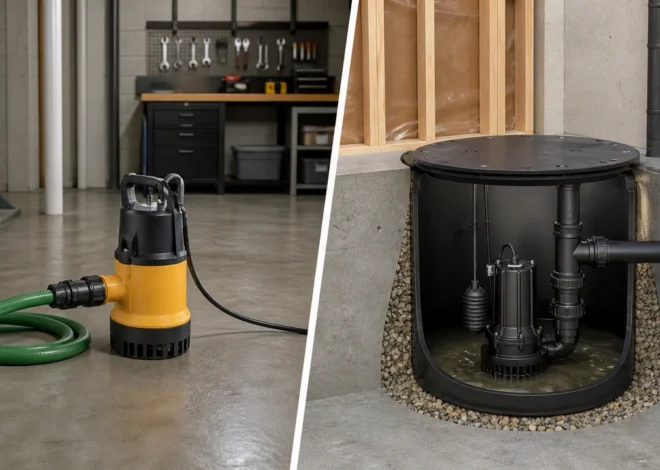
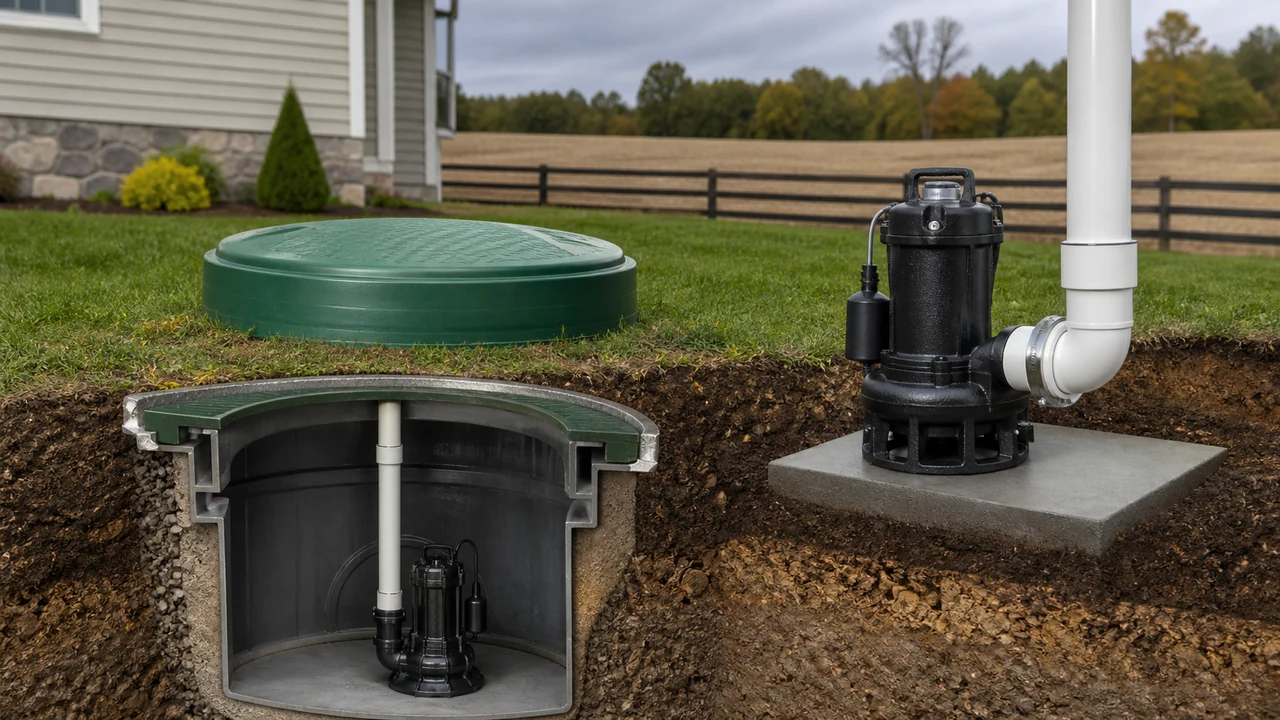
“The pump for a septic tank” may refer to a pump chamber that sends effluent to a drain field, a sewage ejector that moves raw wastewater to a building drain, or a dewatering task around the tank. Those are not interchangeable. The best pump for a septic tank must match the liquid’s solids content, the tank and discharge layout, the required lift, the float controls, and the local septic design.
The models below are sewage and effluent candidates, not a substitute for a septic contractor’s design. Several use 2-inch discharge and pass around 2-inch solids; the smaller Zoeller M53 is intentionally separated as an effluent-style option. Never choose a pump solely from horsepower, and never open or enter a septic tank to install one.
Quick Answer: Which Pump Is Best for a Septic Tank?
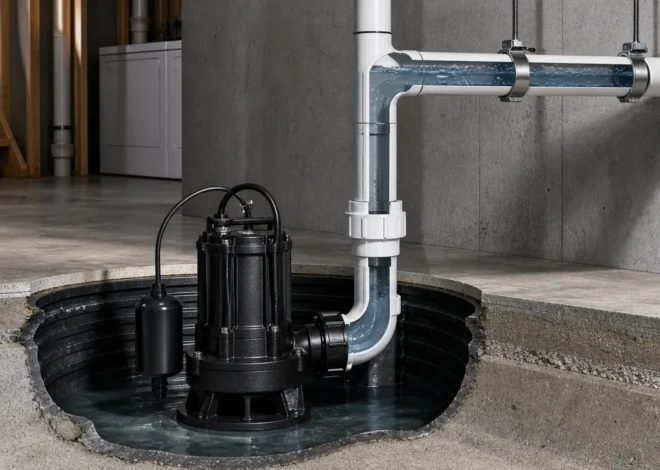
For a pump chamber or sewage-ejector application that needs a 2-inch solids path, the Zoeller M267 Waste-Mate is the strongest all-around starting point in this comparison. It is a 1/2 HP cast-iron sewage pump intended for heavier solids handling. The WAYNE RPP50 and Superior 93501 are useful alternatives with 1/2 HP motors, 2-inch discharges, and 2-inch-solids claims.
For a smaller, properly screened effluent chamber, the Zoeller M53 can make sense, but its 1/2-inch solids capability does not make it a raw-sewage replacement. Choose Liberty LE51A or Little Giant LG-SEW50SA when the installation calls for a robust cast-iron sewage format, and confirm the alarm, float, basin volume, and control panel as part of the complete system.
Septic-Related Pumps at a Glance
| Model | Best suited to | Published or listed highlights | Boundary |
|---|---|---|---|
| Zoeller M267 Waste-Mate | Heavy-duty sewage/effluent chamber | 1/2 HP; cast iron; 2-inch solids class | Confirm head, float, and basin requirements |
| WAYNE RPP50 | Automatic sewage ejector or pump chamber | 1/2 HP; 2-inch discharge; 2-inch solids; 6,200 GPH max | Use the performance curve at installed lift |
| Liberty LE51A | Cast-iron sewage pump system | 1/2 HP; 2-inch discharge; 2-year warranty class | Confirm current switch and installation kit |
| Superior 93501 | 2-inch-solids sewage application | 1/2 HP; 80 GPM max; 25-foot lift class | Needs a proper basin and control arrangement |
| Little Giant LG-SEW50SA | High-flow automatic sewage pump | 1/2 HP; 120 GPM listing class; 2-inch solids | High flow must match the discharge system |
| Everbilt HDRSW50 | Residential sewage ejector replacement | 1/2 HP sewage-pump format; verify current curve | Check basin, switch, and code requirements |
| Zoeller M53 | Clarified effluent or sump-style chamber | 3/10 HP; 1.5-inch NPT; 1/2-inch solids | Not for raw sewage with larger solids |
Best Heavy-Duty Starting Point: Zoeller M267 Waste-Mate
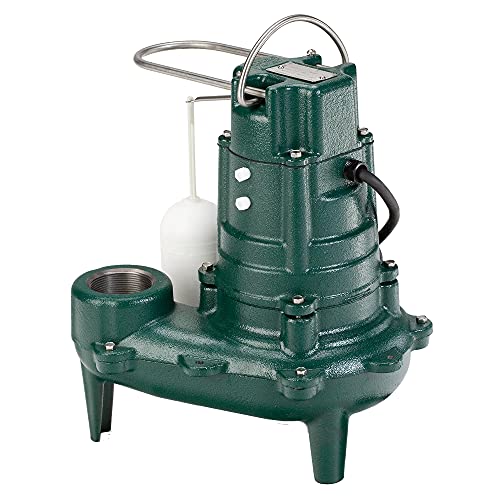
The Zoeller M267 is the most natural first comparison for a septic pump chamber or sewage-ejector installation where the wastewater contains larger solids. Product information lists a 1/2 HP cast-iron Waste-Mate design with a 2-inch-solids capability and a 2-inch discharge format. It is built for the category that many homeowners actually mean when they search for a septic-tank pump.
Do not let the heavy-duty label replace system sizing. The pump curve must cover the vertical lift, pipe length, bends, check valve, and receiving point. The basin also needs enough volume for the float to cycle without short-running, and the alarm and vent must be designed with the pump.
Septic and sewage work carries health and code implications. Use a qualified installer, keep the tank sealed, and verify the current model, float, voltage, and discharge connection before ordering.
Pros
- 2-inch-solids class is appropriate for heavier sewage duty.
- 1/2 HP cast-iron construction suits a permanent basin installation.
- 2-inch discharge keeps the system’s solids path practical.
- Established Waste-Mate family has service and replacement-part support.
Cons
- Its actual capacity depends on total head and the septic system’s pipe layout.
- Professional basin, vent, alarm, and electrical installation remains essential.
Bottom line: The M267 is the best first look for a properly designed 2-inch-solids sewage or septic pump-chamber application.
Check the current price and availability
Best Published Curve for Automatic Sewage Duty: WAYNE RPP50
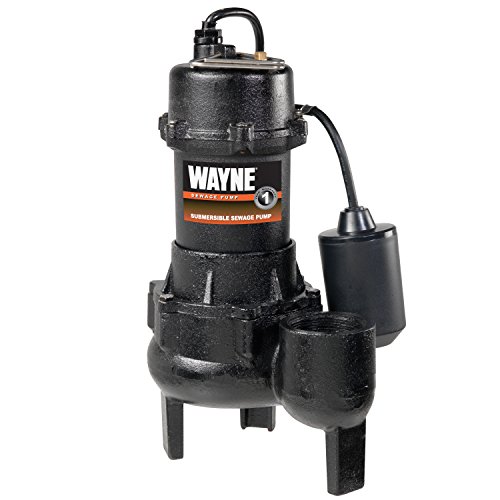
The WAYNE RPP50 is a 1/2 HP cast-iron sewage pump with a tethered float and vortex impeller. WAYNE’s published sheet lists a 2-inch discharge, 2-inch solids handling, up to 6,200 GPH, and approximately 4,800 GPH at 5 feet and 3,240 GPH at 10 feet. That curve is more useful than a maximum number when sizing a real discharge line.
Use the installed head—not just the basement or tank depth—to compare the pump with the system. Include the force-main length, fittings, check valve, and any elevation to the receiving line. A tethered float also needs enough clear basin area to swing without catching on the pipe or alarm hardware.
Keep the pump isolated from people and open wastewater. Have the basin, vent, alarm, and electrical protection inspected as a system, especially if replacing a pump with a different switch design.
Pros
- 2-inch solids and discharge are a good match for sewage-ejector work.
- Published points at 5 and 10 feet help with preliminary head comparison.
- Vortex impeller reduces the chance of a conventional impeller clogging on suitable solids.
- Tethered automatic switch can work in a properly sized basin.
Cons
- The tether needs a clear basin and may not suit every narrow chamber.
- The actual flow is much lower at lift than the 6,200 GPH maximum.
Bottom line: The RPP50 is a strong option when its published curve and tethered-switch layout fit the septic chamber.
Check the current price and availability
Best Cast-Iron Ejector Alternative: Liberty LE51A

The Liberty LE51A is a 1/2 HP sewage-pump candidate for a permanent ejector or pump-chamber installation. Current product information describes a cast-iron and stainless construction, a 2-inch discharge, and a 2-year warranty class. It belongs on the shortlist when a homeowner wants a dedicated sewage pump rather than a small sump or effluent unit.
Check the current performance curve against the required lift and pipe route. The float, basin, vent, check valve, and alarm should be treated as one design. If the old pump failed because the basin was too small or the check valve leaked, installing a similar motor alone will not solve the cycling problem.
Use a professional for any connection to a septic or sewage system. Confirm the exact model, voltage, switch type, and solids rating before purchasing.
Pros
- 1/2 HP sewage-pump format suits many residential ejector basins.
- 2-inch discharge supports a practical solids path.
- Cast-iron and stainless components are appropriate for a fixed installation.
- 2-year warranty class provides useful product support.
Cons
- Lift and pipe friction still determine whether the pump meets the design flow.
- It needs a correctly sized basin, float, vent, and alarm rather than a simple open-tank setup.
Bottom line: The LE51A is a credible cast-iron alternative for a code-compliant sewage pump chamber.
Check the current price and availability
Best Value-Oriented 2-Inch-Solids Option: Superior Pump 93501
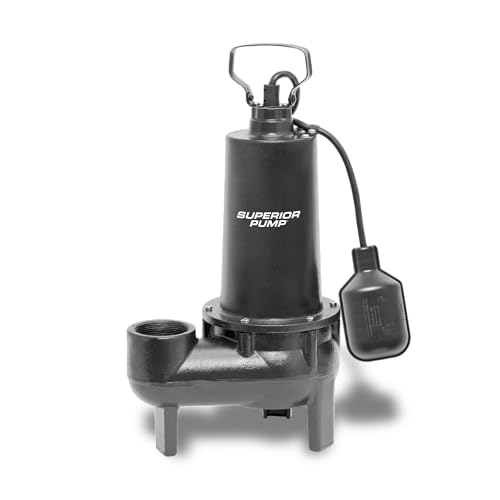
The Superior 93501 is a 1/2 HP cast-iron sewage pump intended for applications that need a 2-inch discharge and 2-inch solids handling. Superior lists up to 80 GPM, a 25-foot lift class, a vortex impeller, and a tethered switch. Those published details make it a useful comparison for a residential sewage ejector or pump chamber.
Use the 80 GPM figure only as a maximum reference. The discharge elevation, force-main size, check valve, and number of elbows will lower the result. Confirm that the tether can operate without snagging and that the basin has enough room for the required on/off levels.
A septic system should not be treated like an ordinary basement drain. Keep the lid and vent arrangement compliant, provide an alarm, and have the entire installation reviewed if the pump is replacing a different model.
Pros
- 2-inch solids handling is suitable for heavier sewage duty.
- 80 GPM maximum provides substantial capacity when head is low.
- Vortex impeller and cast-iron body suit a permanent basin.
- 25-foot lift class gives useful headroom for the right system.
Cons
- Tethered-switch clearance and basin volume must be checked before installation.
- The high maximum-flow number does not predict output through a long force main.
Bottom line: The 93501 is a practical high-capacity shortlist item when its curve, float, and basin requirements line up.
Check the current price and availability
Best High-Flow Automatic Sewage Format: Little Giant LG-SEW50SA

The Little Giant LG-SEW50SA is another 1/2 HP cast-iron sewage-pump option, with current listing information placing it in a 120 GPM class and describing 2-inch solids handling. The snap-action switch makes it a candidate for an automatic basin when the chamber is sized for the switch and the pump curve.
High flow can be useful, but only when the downstream force main and receiving system can accept it. Check the total dynamic head, pipe diameter, check valve, and discharge point. If the septic design calls for a controlled, lower flow, a larger pump may need a different control strategy rather than simply running unrestricted.
Confirm the current model and switch details before purchase. Install it as part of a sealed, vented, alarmed sewage system, not as an exposed transfer pump.
Pros
- 1/2 HP cast-iron construction is suited to a permanent sewage basin.
- 2-inch solids claim accommodates a broad sewage-pump duty range.
- Snap-action automatic switch can simplify level control in a compatible basin.
- High-flow class provides capacity for suitable low-head systems.
Cons
- The force main may not be designed for the model’s maximum flow.
- Switch and basin geometry should be verified rather than assumed from a similar pump.
Bottom line: The LG-SEW50SA is worth comparing when the system has the pipe and head capacity to use its high-flow design.
Check the current price and availability
Best Common Replacement-Style Option: Everbilt HDRSW50

The Everbilt HDRSW50 is a residential sewage-pump format intended for comparison when a standard 1/2 HP replacement is needed. The current product information identifies it as a sewage pump, but the exact curve, solids rating, float arrangement, and connection details should be read from the present listing and manual.
That verification step matters because replacement pumps can look alike while using different switches or discharge behavior. Measure the basin, record the old pump’s on/off levels, and compare the new unit’s head curve with the force main. A pump that starts too often may be revealing a control or basin issue rather than a lack of motor power.
Use a licensed installer where septic, sewage, electrical, or code work is involved. Do not alter the float or cut a sealed tank opening without a compliant design.
Pros
- 1/2 HP sewage-pump category fits many residential ejector discussions.
- Common replacement-style format can simplify initial comparison.
- Automatic switching is useful when the basin is sized correctly.
- Suitable candidate for checking against a failed pump’s dimensions.
Cons
- Current curve and solids rating need confirmation before it replaces a different brand.
- Installation details, alarm, and basin design matter as much as the pump body.
Bottom line: The HDRSW50 is a practical comparison model, but its exact specifications should be matched to the existing basin and discharge design.
Check the current price and availability
Best for Clarified Effluent, Not Raw Sewage: Zoeller M53
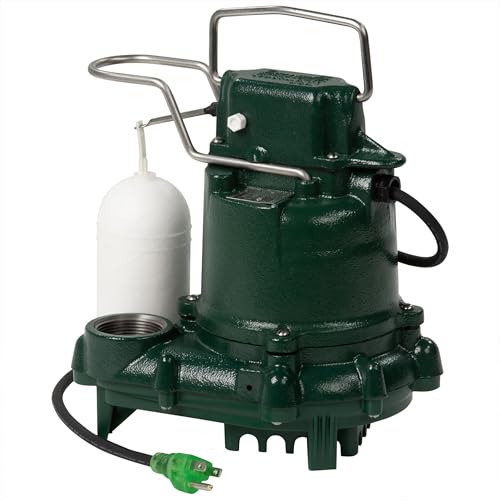
The Zoeller M53 is included because some septic systems send clarified effluent from a pump tank rather than raw sewage. It is a 3/10 HP submersible pump with a 1.5-inch NPT discharge and a 1/2-inch-solids class. That makes it a possible effluent or sump-style choice when the chamber is designed to keep larger solids out.
It should not be promoted as a universal septic-tank pump. If the liquid contains toilet solids or the system requires a 2-inch sewage path, select a sewage pump such as the M267 or another model above. A smaller discharge can also create more friction and reduce the available flow through a long line.
Confirm the septic designer’s specifications, float, alarm, screen, and pipe size. The distinction between effluent and sewage is a design requirement, not a marketing preference.
Pros
- Compact 3/10 HP format suits a properly screened effluent chamber.
- 1.5-inch discharge can fit a smaller, low-solids line.
- 1/2-inch solids class is appropriate for clarified liquid.
- Submersible design keeps the pump protected inside a suitable basin.
Cons
- It is not the right choice for raw sewage or larger toilet solids.
- Smaller discharge and lower horsepower may not suit a long or high force main.
Bottom line: Use the M53 only when the septic system is specifically an effluent application and the designer confirms its solids and head limits.
Check the current price and availability
How to Choose a Septic-Tank Pump
Identify the liquid first: raw sewage, screened effluent, or clean groundwater. Then calculate total dynamic head, pipe size, solids diameter, basin volume, float levels, alarm height, duty cycle, and the receiving field or sewer connection. Match the pump curve at that duty point.
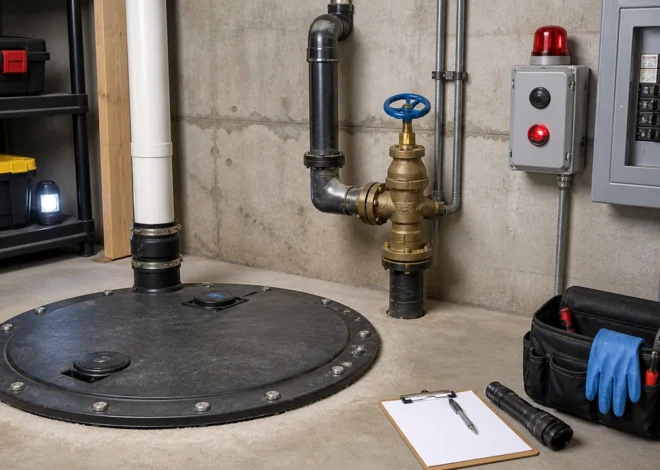
Use a qualified septic professional for tank and pump-chamber work. The installation must protect health, prevent backflow, provide an alarm, preserve the tank’s venting and sealing, and comply with local regulations. Never enter a septic tank.
Frequently Asked Questions
Can I use a sump pump in a septic tank?
Usually not for raw sewage. A sump pump may be suitable for clean water or a specifically designed effluent chamber, but sewage needs the correct solids handling, discharge size, and basin controls. Confirm the design with a septic professional.
What is the difference between an effluent pump and a sewage pump?
An effluent pump handles liquid that has been screened or settled so larger solids are excluded. A sewage pump is designed for wastewater with larger solids and commonly uses a 2-inch discharge. Substituting one for the other can cause clogs or system failure.
How much horsepower does a septic pump need?
Horsepower is only one input. The required flow, total head, pipe size, solids, basin, and well or septic design determine the correct pump. A larger motor is not automatically safer or more efficient.
Does a septic pump need an alarm?
A pump chamber normally needs a high-water alarm so a failure is noticed before wastewater backs up. Use an alarm and control arrangement compatible with the pump and local septic requirements.
Why does a septic pump keep running?
Possible causes include a blocked or undersized discharge, a failed check valve, an inadequate water supply, an incorrect float setting, or a pump that cannot meet the installed head. Stop investigating before opening the tank and call a qualified service provider.
How often should a septic pump be serviced?
Follow the septic designer’s and pump manufacturer’s schedule. Regular inspection of the alarm, float, check valve, electrical protection, and accessible filter or screen can identify problems before a backup, but the tank itself should not be entered by a homeowner.
Final recommendation: Start with Zoeller M267, WAYNE RPP50, Liberty LE51A, or Superior 93501 for a properly designed sewage chamber; use Zoeller M53 only when the system is specifically clarified effluent.