Best Pump for a Basement Bathroom: 7 Sewage Ejector and Gray-Water Options Compared
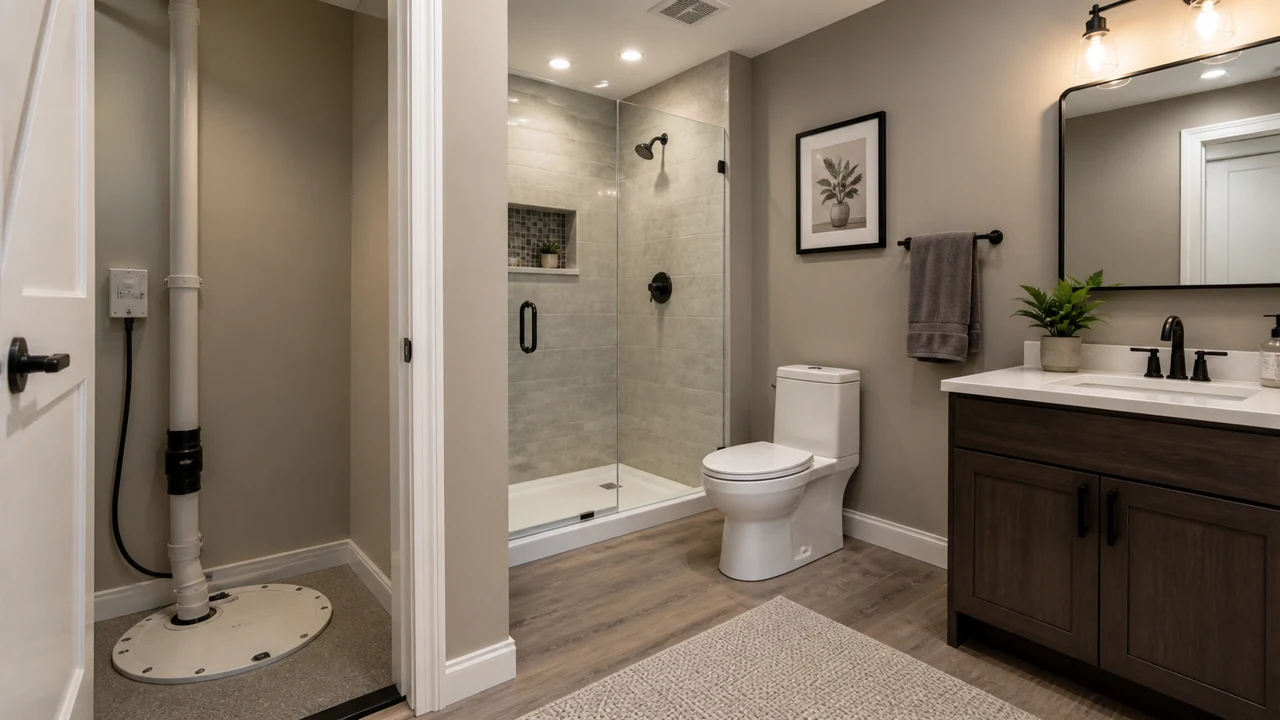
A basement bathroom needs a pump only when gravity cannot carry the fixtures to the building drain. That sounds straightforward until the fixtures are listed: a toilet brings solids, while a sink or shower produces gray water and may fit a smaller drain-pump system. The best pump for a basement bathroom is chosen by the fixtures and the basin design first, then by horsepower and advertised flow.
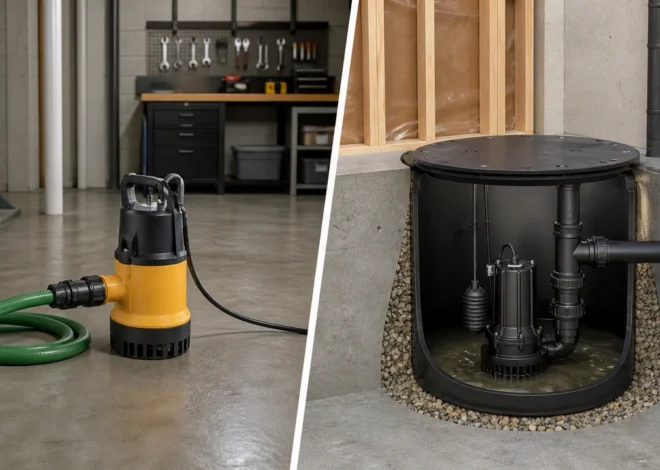
This guide compares seven products for sewage-ejector and effluent-style applications. If the room includes a toilet, stay in the sewage-pump section and use a properly vented, sealed basin with a 2-inch discharge path. A gray-water pump such as the Zoeller M53 may suit a screened sink or shower basin, but it is not a toilet-pump substitute.
Quick Answer: Which Pump Is Best for a Basement Bathroom?
For a full basement bathroom with a toilet, the Liberty LE51A is the most balanced starting point in this comparison: it is a 1/2 HP sewage-pump format with a 2-inch discharge and cast-iron/stainless construction. The Zoeller M267 is another strong heavy-duty option when 2-inch solids handling is required.
WAYNE RPP50 and Superior 93501 provide other 1/2 HP sewage-ejector choices, while Little Giant LG-SEW50SA and Everbilt HDRSW50 should be checked against the basin’s curve and switch layout. For a bathroom without a toilet, a small gray-water drain pump may be the more appropriate category—do not oversize the system just because the word “bathroom” sounds demanding.
Basement Bathroom Pump Options at a Glance
| Model | Best suited to | Published or listed highlights | Important distinction |
|---|---|---|---|
| Liberty LE51A | Full sewage ejector basin | 1/2 HP; 2-inch discharge; cast-iron/stainless format | Needs a sealed, vented basin and correct controls |
| Zoeller M267 Waste-Mate | Toilet and heavier sewage solids | 1/2 HP; 2-inch solids class; cast iron | Size to lift and force-main resistance |
| WAYNE RPP50 | Automatic sewage ejector | 1/2 HP; 2-inch discharge and solids; 6,200 GPH max | Tether must move freely in the basin |
| Superior 93501 | High-capacity sewage basin | 1/2 HP; 80 GPM max; 25-foot lift class | Actual flow depends on discharge head |
| Little Giant LG-SEW50SA | Automatic sewage pumping | 1/2 HP; 2-inch solids; 120 GPM listing class | Match its flow to the building drain |
| Everbilt HDRSW50 | Residential sewage-ejector replacement | 1/2 HP sewage format; verify current curve | Check switch and basin dimensions |
| Zoeller M53 | Sink/shower effluent or gray water | 3/10 HP; 1.5-inch discharge; 1/2-inch solids | Not for a toilet or raw sewage |
Best Balanced Full-Bathroom Choice: Liberty LE51A

The Liberty LE51A is the best first look for a basement bathroom that includes a toilet and needs a conventional sewage-ejector basin. Current product information describes a 1/2 HP unit with cast-iron and stainless construction, a 2-inch discharge, and a 2-year warranty class. It is built around the solids-handling category rather than a small gray-water drain.
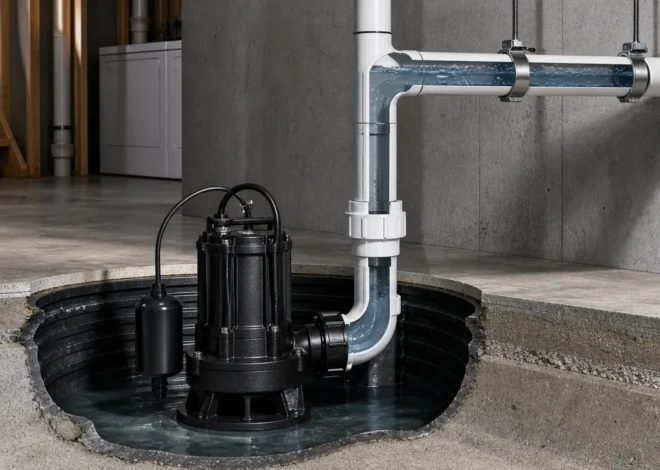
Bathroom fixtures can place several different loads into the same basin, so the pump’s curve must cover the vertical rise, horizontal run, fittings, check valve, and receiving drain. The basin also needs enough volume for the float to cycle after a toilet flush without nuisance starts.
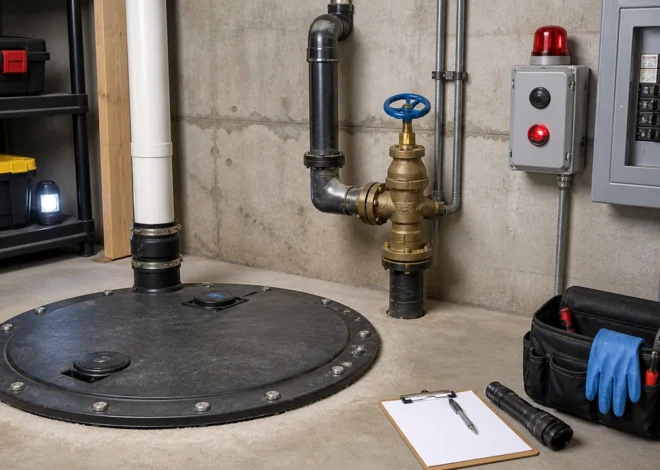
Install the pump in a sealed and vented basin with an accessible check valve and alarm. A plumber should confirm the venting, pipe size, backflow protection, and local code before the bathroom is put into service.
Pros
- 1/2 HP sewage format is suitable for a complete basement bathroom.
- 2-inch discharge supports a practical toilet-solids path.
- Cast-iron/stainless construction fits a fixed ejector-basin installation.
- 2-year warranty class adds useful support for a permanent project.
Cons
- It still needs a correctly sized basin, vent, check valve, and alarm.
- Its suitability depends on the installed head, not simply the 1/2 HP label.
Bottom line: The LE51A is the most balanced starting point for a toilet-equipped basement bath when the complete ejector system is designed correctly.
Check the current price and availability
Best Heavy-Duty Toilet-Solids Option: Zoeller M267 Waste-Mate
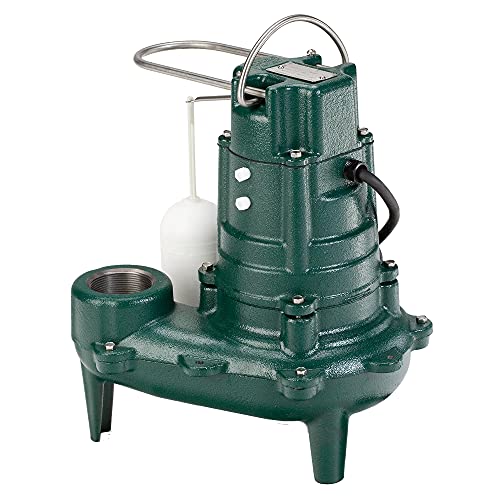
The Zoeller M267 is a robust sewage-pump choice when a basement toilet, shower, and sink feed the same basin. Product information lists a 1/2 HP cast-iron Waste-Mate format with a 2-inch-solids capability and 2-inch discharge. That design gives it the right starting category for a full bathroom rather than a sink-only gray-water system.
Use the pump curve at the actual discharge height and account for the force-main length. A larger solids path is helpful, but the pump still needs a check valve, a basin with appropriate on/off levels, and a vent that prevents pressure changes from disturbing the fixtures.
Keep the basin sealed and serviceable. The pump should be chosen and installed as part of the bathroom’s plumbing design, not dropped into an open container as a quick workaround.
Pros
- 2-inch-solids class suits a toilet-equipped basement bathroom.
- 1/2 HP cast-iron construction supports a permanent ejector basin.
- 2-inch discharge keeps the sewage line practical.
- Waste-Mate family has an established service and parts ecosystem.
Cons
- Heavy-duty construction does not remove the need to size the discharge correctly.
- The basin, vent, alarm, and controls can add more project work than the pump alone suggests.
Bottom line: The M267 is the right category when the bathroom’s wastewater includes toilet solids and the design calls for a durable sewage pump.
Check the current price and availability
Best Automatic Ejector with Published Points: WAYNE RPP50
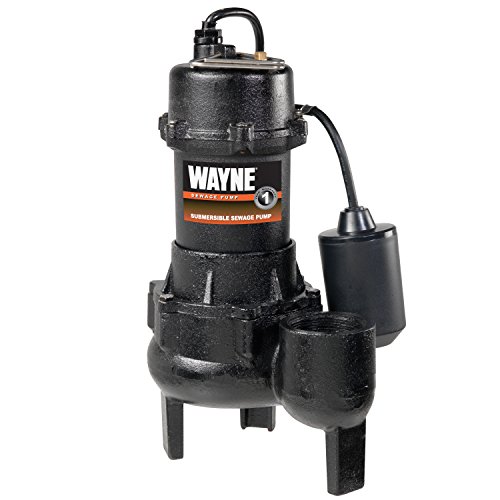
The WAYNE RPP50 uses a 1/2 HP cast-iron sewage design with a tethered float. WAYNE’s published information lists a 2-inch discharge, 2-inch solids handling, 6,200 GPH maximum, and approximately 4,800 GPH at 5 feet and 3,240 GPH at 10 feet. Those lower-head points are useful when comparing it with a real basement discharge path.
The tether needs a basin wide enough for a clean swing, and the switch levels need to sit below the incoming fixture connections. If a toilet flush causes the pump to start repeatedly, check basin volume, the check valve, and the curve before blaming the motor.
Use a sealed cover, proper vent, alarm, and GFCI-protected electrical arrangement. A sewage ejector is a code-sensitive installation, so have the final configuration inspected where required.
Pros
- 2-inch discharge and solids handling are suitable for a full bathroom basin.
- Published 5- and 10-foot flow points help with preliminary sizing.
- Vortex impeller is well suited to suitable sewage solids.
- Automatic tethered operation can simplify a properly built ejector system.
Cons
- The float requires adequate clearance and may not suit a narrow basin.
- Maximum flow is not the same as the result through the installed force main.
Bottom line: The RPP50 is a strong alternative when the basin has room for its tether and the published curve meets the lift.
Check the current price and availability
Best High-Capacity 2-Inch-Solids Model: Superior Pump 93501
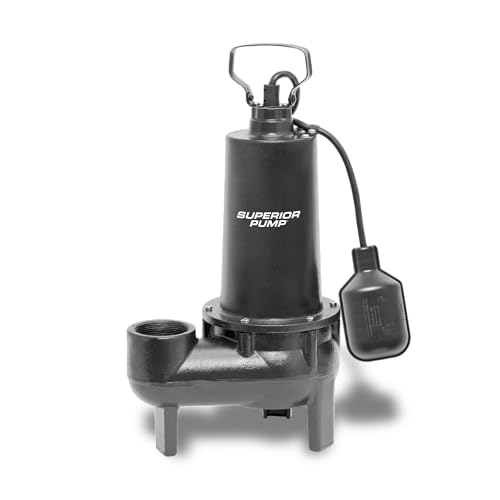
The Superior 93501 is a 1/2 HP cast-iron sewage pump listed with a vortex impeller, 2-inch discharge, 2-inch solids handling, up to 80 GPM, and a 25-foot lift class. That combination makes it a candidate for a bathroom ejector basin with a longer or higher discharge route.
Use the 80 GPM maximum as a ceiling, not a design target. The receiving drain, force main, check valve, and building plumbing may call for a controlled lower flow. Verify the tether’s movement and the basin’s volume so the fixtures do not outrun the pump’s level cycle.
For a new bathroom, have the basin and vent installed as a listed sewage-ejector system. For a replacement, record the old pump’s on/off levels and discharge dimensions before choosing a different body.
Pros
- 2-inch-solids handling fits toilet wastewater.
- 80 GPM maximum offers substantial low-head capacity.
- 25-foot lift class provides useful flexibility for a basement layout.
- Vortex impeller and cast-iron body suit a permanent basin.
Cons
- Its high capacity must be reconciled with the building drain and force main.
- Tethered switching needs a basin with enough room and correct level spacing.
Bottom line: The 93501 is a high-capacity choice for a bathroom ejector system when the plumbing can use that capacity.
Check the current price and availability
Best High-Flow Sewage Format: Little Giant LG-SEW50SA

The Little Giant LG-SEW50SA is positioned as a 1/2 HP cast-iron sewage pump, with current listing information in the 120 GPM class and a 2-inch-solids capability. It is a good comparison for a full basement bath when the force main is short enough and the system can accept a high-flow sewage pump.
High flow can shorten a pumping cycle, but it can also make pipe sizing and check-valve selection more important. Confirm the pump curve, discharge diameter, switch action, and basin volume. A toilet-equipped system should never be sized by matching only the bathroom fixture count.
Keep all service access above the basin and use a professional for the vent, alarm, and electrical work. The “SA” automatic switch still needs a clear operating area.
Pros
- 1/2 HP cast-iron sewage design fits a permanent ejector basin.
- 2-inch solids handling is appropriate for toilet wastewater.
- High-flow class offers capacity for a suitable low-head layout.
- Automatic switch can simplify operation when basin geometry is correct.
Cons
- The downstream plumbing may need to be evaluated before using its high-flow potential.
- Its switch and basin dimensions should be checked against the existing ejector setup.
Bottom line: The LG-SEW50SA is a strong high-flow candidate, but only when the force main and basin are designed around it.
Check the current price and availability
Best Replacement-Style Shortlist Model: Everbilt HDRSW50

The Everbilt HDRSW50 is a practical model to compare when a basement bathroom needs a residential sewage-ejector replacement. Current product information identifies a 1/2 HP sewage-pump format, but the exact flow curve, solids rating, switch design, and fittings should be checked in the current listing before purchase.
Measure the existing basin and discharge line first. A physically similar pump can use a different float range or outlet height, and those differences can change how the toilet, shower, and sink cycle together. Use a proper check valve and keep the high-water alarm independent from the normal float control.
Any change to the basin, vent, or electrical arrangement should be reviewed by a qualified plumber. A new pump does not correct an undersized or unvented ejector system.
Pros
- 1/2 HP sewage category fits many residential bathroom-ejector comparisons.
- Automatic format is convenient when the basin is correctly sized.
- Useful replacement candidate for checking dimensions against an existing unit.
- Common residential format can simplify initial product research.
Cons
- Current curve and solids details need confirmation before it replaces another brand.
- Float, alarm, vent, and basin geometry remain part of the installation decision.
Bottom line: The HDRSW50 is a sensible comparison model, provided its present specifications match the bathroom’s ejector basin.
Check the current price and availability
Best for a Sink-and-Shower Gray-Water Basin: Zoeller M53
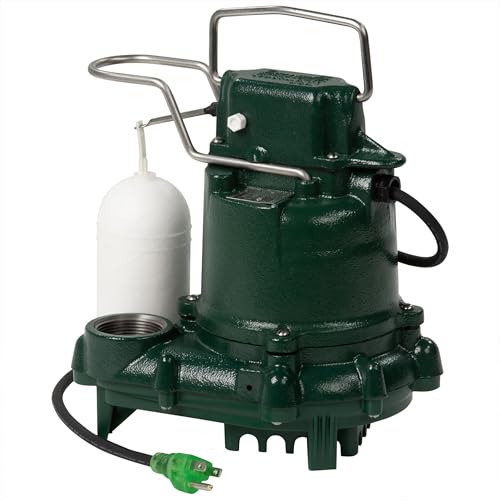
The Zoeller M53 is included for a bathroom that has no toilet and drains clarified gray water from a sink or shower basin. It is listed as a 3/10 HP submersible with a 1.5-inch NPT discharge and 1/2-inch solids class. That smaller format can be more appropriate than a full sewage ejector when larger solids are excluded.
Do not use it for a toilet or for raw sewage. If the room includes a toilet, move back to the 2-inch-solids models above. For a gray-water basin, confirm the inlet screen, pipe size, head, float clearance, and whether hair and lint are controlled before they reach the pump.
A compact drain-pump system may use a different basin and vent arrangement from a sewage ejector. Have the fixture layout checked before choosing the smaller category.
Pros
- Compact 3/10 HP design suits a properly screened gray-water basin.
- 1.5-inch discharge can fit a smaller sink or shower drain layout.
- Submersible format keeps the installation contained within the basin.
- Lower capacity can be appropriate for a bathroom without a toilet.
Cons
- It is not suitable for toilet solids or a raw-sewage ejector basin.
- Hair, lint, pipe friction, and a long lift can reduce its useful output.
Bottom line: Choose the M53 only for clarified gray water; a toilet-equipped basement bathroom needs a true sewage pump.
Check the current price and availability
How to Choose a Basement-Bathroom Pump
List every fixture and identify whether it produces toilet sewage or gray water. For a toilet, plan on a sealed sewage-ejector basin, a 2-inch solids path, a vent, a check valve, an alarm, and a pump curve that covers total head. For sink-and-shower-only rooms, a listed gray-water drain system may be smaller.
Measure vertical rise to the receiving drain, horizontal pipe length, pipe diameter, bends, and the basin’s available volume. Do not enter an open pit or improvise a tank. Local plumbing code and the bathroom’s venting arrangement should be reviewed before installation.
Frequently Asked Questions
Does a basement bathroom always need a sewage pump?
No. If every fixture can drain by gravity, a pump is unnecessary. If gravity cannot reach the building drain, a toilet-equipped room generally needs a sewage-ejector system, while a sink or shower without a toilet may use a listed gray-water drain system.
Can a gray-water pump handle a toilet?
No. A gray-water pump such as the Zoeller M53 is intended for clarified liquid and smaller solids. Toilet wastewater needs a sewage pump and basin designed for larger solids.
How high can a basement bathroom ejector pump lift?
The answer comes from the pump curve at the required flow. Add the vertical rise, horizontal pipe friction, fittings, check valve, and receiving point. Do not use the pump’s maximum GPH at zero head as the lift rating.
Does a basement sewage pump need a vent?
A sealed ejector basin normally needs a properly designed vent so fixture traps and the pump chamber operate without harmful pressure changes. The vent must follow local plumbing requirements and should be installed by a qualified professional.
Why does a bathroom ejector pump cycle too often?
Look for an undersized basin, a leaking check valve, a small plumbing leak, incorrect float levels, or a pump that does not meet the installed head. A larger motor is not always the correct remedy.
Can I install a basement bathroom pump myself?
The pump may look manageable, but the basin, vent, electrical protection, alarm, and sewage connection make the project code-sensitive. Have the installation reviewed or completed by a qualified plumber and electrician.
Final recommendation: For a full basement bathroom, begin with Liberty LE51A or Zoeller M267 and size the entire ejector system to the discharge head. Use Zoeller M53 only when the room produces screened gray water and no toilet solids.