Pool Pump Not Working: A Practical Guide for Homeowners
A pool pump problem should be diagnosed with the equipment pad in mind. Water level, skimmer flow, basket condition, filter pressure, suction-side air, and electrical protection can all produce the same complaint. The safest sequence starts with power isolation and observation, not with opening a pressurized lid.
The direct answer
For this pool-pump symptom, first determine whether the pump is silent, losing prime, moving weak flow, or tripping protection. Turn off the breaker before opening the strainer or filter, and follow the exact manual because pool equipment combines water, electricity, pressure, and chemical exposure.
A closer diagnostic reading
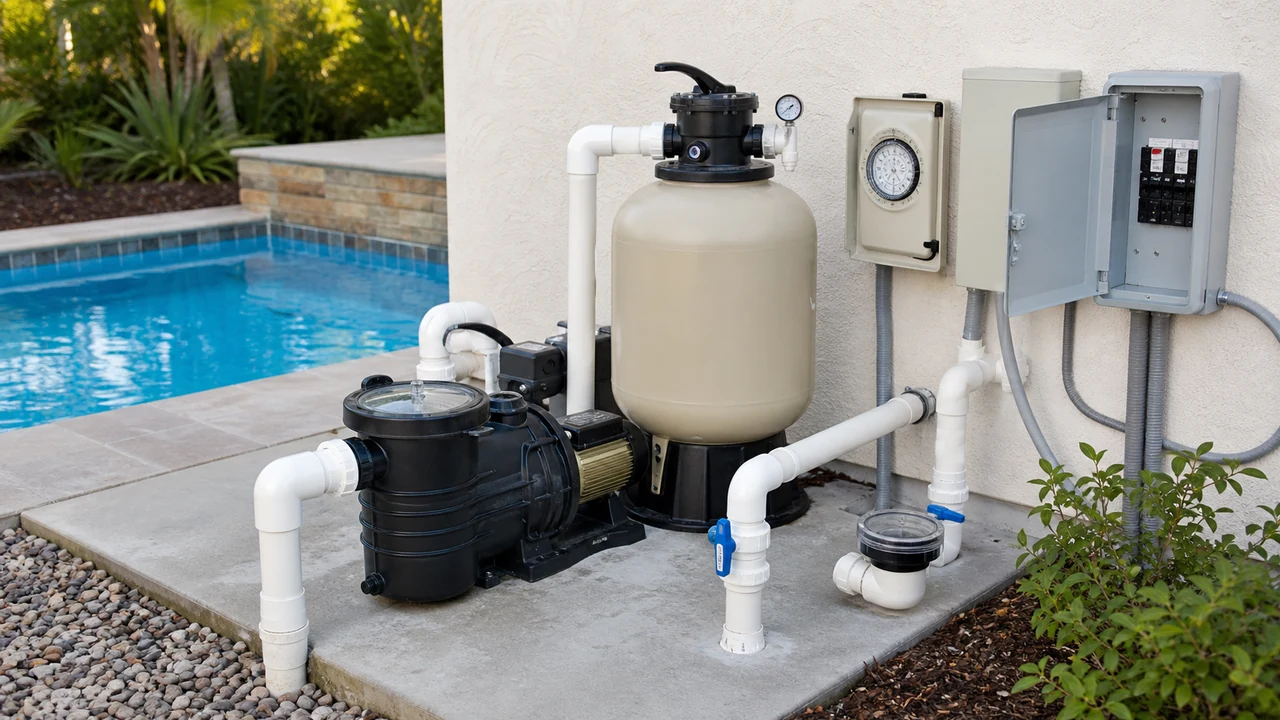
Read the equipment-pad pattern
A silent motor, an empty strainer basket, bubbles at the return, high filter pressure, and a tripped breaker point to different portions of the system. Record the water level, valve positions, basket condition, pressure gauge, and return flow before opening any lid.
Protect against stored pressure and suction
Turn off the breaker and follow the manufacturer’s relief procedure before opening the strainer or filter. Pool plumbing can retain pressure, and suction fittings create hazards. Do not put hands near a drain or suction outlet while equipment is energized.
Distinguish priming from restriction
If the pump repeatedly loses prime, check water level, skimmer flow, lid O-ring, suction valves, basket, and visible air leaks. If the basket stays full but return flow is weak, a dirty filter, blocked return, impeller debris, or excessive system head may be more likely.
Treat chemicals and materials as part of diagnosis
The pump, seal, filter, heater, and chlorine or salt system must be compatible. Do not add an unapproved cleaner to the pump or dismantle a pressure vessel without the equipment manual and proper isolation.
Verify circulation after repair
A successful repair should restore a stable prime, normal basket level, expected filter pressure, and consistent return flow without leaks or repeated trips. Recheck the pressure after the filter has operated long enough to reveal a restriction.
Read the symptom before touching the pump
| What you observe | What it often suggests | First useful check |
|---|---|---|
| Motor silent | Breaker, GFCI, timer, automation, or motor | Verify the control state and power safely. |
| Pump basket will not stay full | Air leak, low water, suction restriction, or bad lid seal | Check pool level and accessible seals after pressure is relieved. |
| Flow weak, filter pressure high | Dirty filter or return restriction | Read pressure gauge and service the filter as specified. |
| Pump trips | Electrical fault, jam, overload, or wet connection | Stop resets and use qualified pool/electrical service. |
Do not treat every symptom as proof of a failed motor. A pump curve describes what the pump can do at a particular head, while the switch, source, pipe, filter, and discharge determine whether that operating point is reached.
Likely causes and what separates them
Water is not reaching the pump
A low pool level, closed valve, blocked skimmer, full basket, or clogged suction line can starve the pump. A centrifugal pool pump cannot make up for a closed or restricted inlet.
Air is entering on the suction side
A lid O-ring, drain plug, union, valve stem, or suction fitting can admit air. Bubbles in the clear lid or returning jets often provide a useful clue.
The filter or return side is restricted
High filter pressure with low return flow suggests resistance downstream. Cleaning the filter without correcting the hydraulic reason for rapid loading may only provide a temporary improvement.
The motor or electrical protection is opening
A jammed impeller, failing capacitor, low voltage, wet connection, or overload can stop the motor or trip a breaker. Pool electrical work should be qualified.
A safe diagnostic sequence
- Turn off the pool equipment breaker before removing a basket lid, filter cover, or plumbing component. Relieve pressure exactly as the manual specifies.
- Check pool water level, valve positions, skimmer basket, pump basket, and visible leaks. Do not rely on a pressure gauge while the system is shut down unless its condition is understood.
- After reassembly and priming as directed, observe the basket, return jets, filter pressure, and sound together.
- Compare the measured operating point with the pump and filter limits. Pool turnover depends on pool volume, flow, filter capacity, pipe size, and required run time.
- If the pump trips or hums, stop repeated resets. A qualified technician can test voltage, current, capacitor, insulation, and motor condition.
- Record the normal pressure and flow after repair so a change in filter loading or suction behavior is visible next time.
When to stop and call for help
Do not open a pressurized filter, reach into a powered pump, or perform pool electrical work without proper qualification. Cracked suction covers and unusual suction behavior need immediate attention.
Prevent the same fault from returning
Keep baskets clear, maintain water level, inspect lid seals, clean the filter on pressure or manufacturer guidance, and verify that suction outlet covers remain approved and undamaged.
What to record for the next service visit
| Observation | Useful detail |
|---|---|
| Power and controls | Breaker, fuse, controller light, switch, alarm, and whether the motor starts |
| Water behavior | Source level, inlet condition, discharge flow, return water, and time to clear |
| Hydraulic conditions | Vertical lift, pipe or hose size, filter state, valve position, and any recent changes |
| Operating pattern | Continuous run, short cycling, intermittent output, heat, noise, or vibration |
Verify the repair under a normal load
A pump is not repaired merely because the motor starts. Run the controlled test appropriate to the installation and confirm that the source remains adequate, the outlet carries water, the switch reaches its normal stop point, and no leak, alarm, overheating, or unsafe pressure appears. Do not create a larger load simply to prove capacity.
Three patterns that deserve a second look
Bubbles appear at the return
Air at the return can come from low pool water, a skimmer vortex, a loose pump-lid seal, suction-side valve, or a blocked basket. The pump may still run, but the air can reduce prime and damage the seal if the condition continues.
Filter pressure is high
High pressure with reduced return flow often suggests a dirty filter, closed valve, blocked return, or an over-restrictive path. Clean or isolate equipment only with power off and pressure relieved according to the manufacturer.
The breaker trips
A trip can reflect water in an electrical enclosure, a locked rotor, overload, damaged cable, or circuit problem. Stop resetting it. Pool equipment combines electricity, suction, pressure, and chemicals, so repeated trips need qualified diagnosis.
What the first test should tell you
Read the pressure and return together
A high filter pressure with weak return flow suggests a restriction, while low pressure with an empty basket can indicate loss of prime or insufficient suction supply. Record water level, skimmer flow, basket condition, valve positions, filter pressure, and return behavior before opening the pad.
Keep suction and stored pressure outside casual testing
Turn off the breaker and use the equipment’s pressure-relief procedure before opening a lid or filter vessel. Do not put a hand near a suction outlet or restart a pump with an unsecured cover. Pool diagnosis combines electrical, pressure, suction, and chemical hazards.
Check the whole equipment path
A dirty basket, clogged impeller, dirty filter, closed valve, heater restriction, cleaner line, or water-feature branch can move the operating point. The motor may be healthy while the pad cannot pass the expected flow. Compare clean-filter pressure and the active valve route.
Keep a clean-system baseline
Record normal filter pressure, basket water level, return pattern, runtime, and the valve setting used for each mode. A change from that baseline is more useful than a generic statement that the pump is weak or loud.
The details behind this pump type
Compare the symptom with the installation
A motor, impeller, switch, controller, source, pipe, filter, and outlet can each be the first failed point. Use the liquid, head, flow, and duty to narrow the diagnosis instead of treating the pump label as the answer.
Look for a change rather than a single reading
Pressure, flow, water level, runtime, noise, and temperature become more useful when compared with the system’s normal baseline. A single maximum or minimum value rarely identifies the fault by itself.
Make the next repair reversible
Use approved cleaning, fittings, replacement parts, and settings. Avoid cutting a line, bypassing a safety device, or changing a fuse until the exact manual and installation requirements support that action.
End with a normal operating record
Save the successful flow, pressure, level, cycle, and maintenance result. That record makes a recurrence easier to recognize and reduces unnecessary replacement of a pump that is still serviceable.
Keep the next diagnosis simple
Save the model number, manual, normal pressure or water level, typical runtime, and any replacement part information. A short record made when the system is healthy often prevents a future technician from having to guess whether a changed sound or cycle is new.
Frequently Asked Questions
Why does my pool pump lose prime?
Low water, a suction-side air leak, a blocked skimmer, an incorrectly positioned valve, or a lid seal can interrupt the water column. Prime the pump only as the manual directs and do not let it run dry.
Can a dirty filter stop a pool pump?
A loaded filter increases return-side resistance and can reduce flow, raise pressure, and contribute to poor circulation. Read the pressure gauge and clean or backwash according to the filter instructions.
Why does the pool pump trip the breaker?
A jammed impeller, low voltage, wet connection, failed capacitor, motor fault, or protection-device issue can cause a trip. Repeated resets are unsafe and can damage equipment.
How long should a pool pump run?
Run time depends on pool volume, required turnover, flow, filter, climate, and sanitation program. A pump does not need to run at maximum speed continuously when a variable-speed schedule can meet the hydraulic requirement.
Is a pool pump the same as a pond pump?
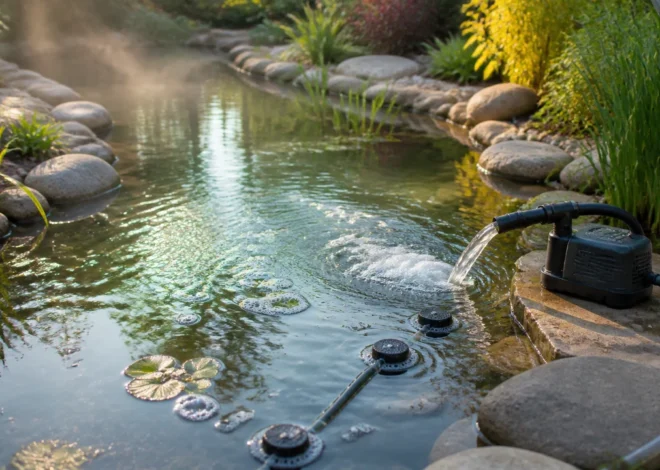
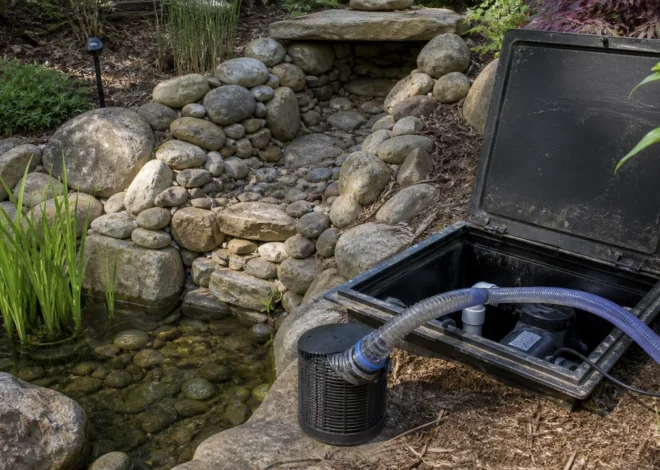
No. A pool pump is designed for a filtered, treated circulation system with different suction and pressure conditions. A pond pump is selected around debris exposure, water feature head, and continuous-duty water movement.
Bottom line: Treat the pool pad as one hydraulic and electrical system. Pressure, basket condition, prime, and safe power isolation will usually narrow the fault faster than replacing the pump.